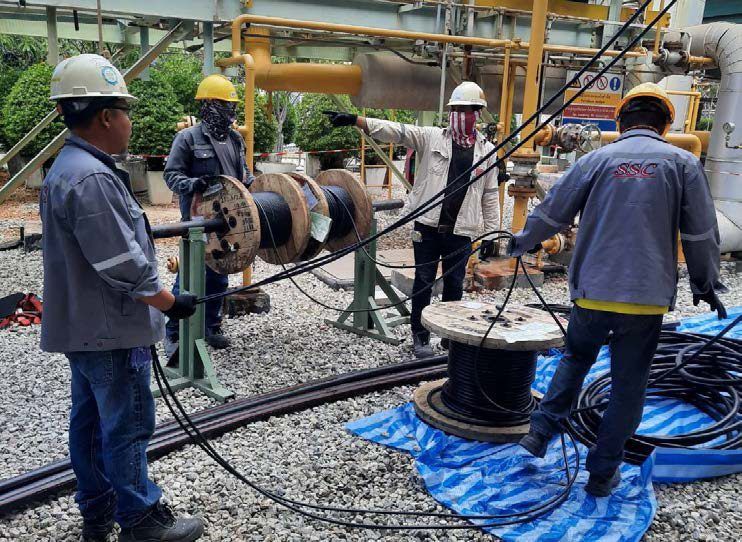
Shock and arc flash dominate — de-energize and prove dead; live work only as a last resort.
| Role | Responsibility |
|---|---|
| Authorized electrical person | Performs isolation, testing and the work. |
| Supervisor | Confirms competency, permit and isolation. |
| Other trades | Keep clear of electrical work areas. |
Two hazards dominate electrical work: electric shock (current through the body) and arc flash (an explosive release of energy from a short circuit, with intense heat and pressure). The safest state is de-energized and proven dead. Live work is only ever done when de-energizing is genuinely impractical, by a qualified person with arc-rated PPE.
Authorized electrical person: Performs isolation, testing and the electrical work.; Supervisor: Confirms competency, permit and isolation before work.; Other trades: Keep clear of isolated/live electrical work areas.
Assuming a circuit is dead without testing — always test before touch. Using a tester that hasn't been proven before and after. Working live for convenience when isolation was possible.
References — Company procedure; safe-isolation practice; IEC 60364; Thai OSH Act B.E. 2554.
We're happy to share our procedures.