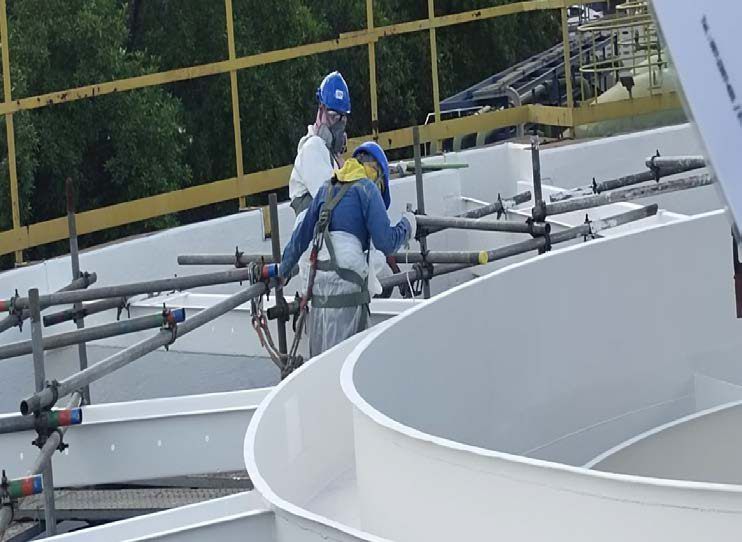
PPE protects only at the point of contact — the last layer, after other controls.
| Task | Additional PPE |
|---|---|
| Welding / hot work | Shaded face shield, FR clothing, leather gloves. |
| Confined space / chemicals | Respirator/SCBA, chemical suit, gas detector. |
| Working at height | Full-body harness, double lanyard. |
| High noise | Hearing protection above ≈ 85 dB(A). |
PPE protects the worker only at the point of contact, so it sits at the bottom of the hierarchy of controls — used after elimination, substitution, engineering and administrative controls have done their part. It must be the right type for the hazard, correctly fitted, and in good condition to work at all.
Welding / hot work: Shade-rated face shield, FR clothing, leather gloves & apron.; Confined space / chemicals: Respirator or SCBA, chemical suit, personal gas detector.; Working at height: Full-body harness, double lanyard with shock absorber.; High noise: Ear plugs/muffs above ≈ 85 dB(A) exposure.
Treating PPE as the first control instead of the last. Wearing the wrong glove or respirator filter for the chemical. Skipping the pre-use inspection of harnesses and respirators.
References — Company PPE procedure; manufacturer instructions; Thai OSH Act B.E. 2554.
We're happy to share our PPE matrix for your project.